Comparing Aquaponics And Traditional Farming Easily

A Comparative Analysis of Aquaponics and Traditional Farming Systems

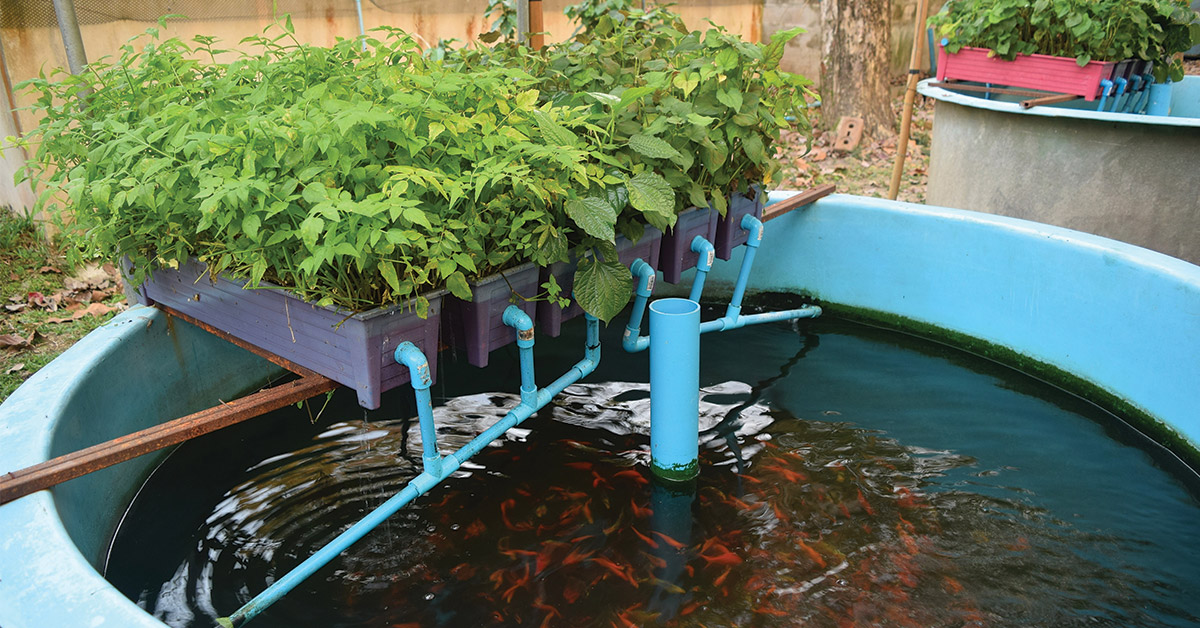
The global food production system faces increasing pressure to meet the demands of a growing population while simultaneously mitigating environmental concerns. Traditional farming practices, while deeply rooted in history, present significant challenges in terms of sustainability and resource efficiency. Aquaponics, a relatively novel approach integrating aquaculture (raising aquatic animals) and hydroponics (growing plants without soil), offers a potential alternative, promising enhanced sustainability and productivity. This comparative analysis delves into the key aspects of both systems, highlighting their strengths and weaknesses to provide a comprehensive understanding of their relative merits.

Water Management: A Critical Distinction

One of the most significant differences between aquaponics and traditional farming lies in their water usage. Traditional agriculture relies heavily on irrigation, often leading to substantial water waste through runoff, evaporation, and inefficient delivery systems. This is particularly problematic in arid and semi-arid regions where water scarcity is a major constraint. In contrast, aquaponics employs a closed-loop system where water is recycled continuously. The nutrient-rich water from the aquaculture component is used to nourish the plants in the hydroponic system, significantly minimizing water consumption. This closed-loop approach drastically reduces water waste, making aquaponics a more water-efficient method of food production.

Water Consumption Comparison:

Quantitative comparisons demonstrate the dramatic difference. Traditional farming practices, depending on the crop and climate, can require hundreds or even thousands of gallons of water per kilogram of produce. Aquaponics, with its recirculating system, typically uses only a fraction of this amount, significantly reducing the environmental footprint of food production.

Water Quality Considerations:

While aquaponics boasts superior water efficiency, careful water quality monitoring is essential. The accumulation of waste products from the aquaculture component can negatively impact plant growth if not properly managed. Regular testing and adjustments to the system, including filtration and aeration, are vital to maintain optimal water quality for both fish and plants.

Nutrient Management: Organic vs. Synthetic

Nutrient management represents another key divergence between the two systems. Traditional farming often involves the extensive use of synthetic fertilizers, which can have detrimental effects on soil health, water quality, and human health. Runoff from fertilized fields can contaminate waterways, leading to eutrophication and harming aquatic ecosystems. Aquaponics, on the other hand, relies on a natural, symbiotic relationship between fish and plants. Fish waste provides a rich source of nutrients for the plants, eliminating the need for synthetic fertilizers. This organic approach promotes soil health (in the case of soil-based aquaponic systems) and minimizes the risk of environmental pollution.

Fertilizer Use and Environmental Impact:

The elimination of synthetic fertilizers in aquaponics translates to a significantly reduced environmental burden. This is particularly noteworthy considering the contribution of agricultural runoff to water pollution and greenhouse gas emissions. Traditional farming's reliance on these fertilizers contributes substantially to these environmental problems.

Nutrient Cycling Efficiency:

Aquaponics' closed-loop system ensures a highly efficient nutrient cycle. Nutrients are continuously recycled between the fish and plants, minimizing waste and maximizing resource utilization. In contrast, traditional farming often experiences nutrient loss through leaching and runoff, necessitating repeated fertilizer application.

Land Use and Productivity: Intensive vs. Extensive

Traditional farming practices typically require vast tracts of land to produce significant quantities of food. Land scarcity and competition for agricultural land are escalating global challenges. Aquaponic systems, due to their intensive nature, offer a significantly higher yield per unit area compared to traditional farming. This high-density production is particularly advantageous in urban areas and regions with limited arable land.

Yield Comparison:

Studies have shown that aquaponic systems can produce significantly higher yields per unit area than traditional agriculture, particularly for leafy greens and other high-value crops. This increased productivity contributes to improved food security and reduces the overall land footprint of food production.

Space Requirements and Scalability:

While initial setup can be more complex, aquaponic systems can be adapted to various scales, ranging from small-scale home setups to large-scale commercial operations. This scalability is a major advantage compared to traditional farming, which often requires extensive land acquisition and infrastructure development for expansion.

Pest and Disease Management: Natural vs. Chemical

Traditional agriculture relies heavily on pesticides and herbicides to control pests and diseases. The widespread use of these chemicals poses significant risks to human health, biodiversity, and the environment. Aquaponics, while not entirely immune to pest and disease issues, offers a more integrated approach to pest management. Proper system design, water quality management, and biological controls can often minimize the need for chemical interventions.

Pest and Disease Risks:

Both systems face challenges related to pests and diseases. Traditional farming is more prone to widespread infestations due to the large-scale monoculture planting frequently employed. Aquaponics, with its controlled environment, can mitigate some risks but requires careful monitoring and proactive measures.

Management Strategies:

Traditional farming often employs chemical solutions, whereas aquaponics emphasizes integrated pest management strategies that prioritize natural controls, preventative measures, and minimal chemical interventions. This approach aligns more closely with sustainable and environmentally friendly practices.

Economic Viability and Labor Requirements:

The economic viability of both systems is influenced by various factors, including initial investment costs, operating expenses, and market demand. Aquaponics systems, while potentially highly productive, can require a higher initial investment in infrastructure and technology. However, the reduced operational costs related to water, fertilizer, and pesticides can offset this initial investment over time. Traditional farming often necessitates significant labor input for tasks such as planting, weeding, and harvesting. Aquaponics, while requiring skilled management, can potentially reduce labor demands through automation and efficient system design.

Initial Investment Costs:

Aquaponics typically requires a larger upfront investment compared to traditional farming, mainly due to the cost of setting up the recirculating water system, tanks, and other infrastructure. This initial cost is a significant barrier to entry for many potential aquaponic farmers.

Operational Costs and Labor Requirements:

While initial costs are higher for aquaponics, the long-term operational costs are usually lower, owing to significantly reduced water and fertilizer usage. Depending on the scale and level of automation, labor requirements may be comparable or even lower for aquaponics.

In conclusion, both aquaponics and traditional farming offer distinct advantages and disadvantages. While traditional farming remains the dominant method of food production, aquaponics presents a compelling alternative, particularly in contexts where water scarcity, land limitations, and environmental concerns are paramount. The choice between these two systems ultimately depends on a range of factors, including available resources, climate conditions, market demands, and the specific goals of the food production enterprise. Further research and development in both fields are crucial to optimizing their respective strengths and addressing their limitations to ensure food security and environmental sustainability.

Share:

Organic Methods In Aquaponics For Healthier Gardens

Organic Methods in Aquaponics for Healthier Gardens

Hey there, fellow gardening enthusiasts! So you're diving into the amazing world of aquaponics – combining fish farming and hydroponics – and you're looking to do it the organic way? Fantastic! It's a truly rewarding experience, and going organic adds another layer of satisfaction, knowing you're growing healthy food sustainably. Let's explore some organic methods to boost your aquaponic garden's health and productivity.

Understanding the Organic Aquaponics Philosophy

Before we dive into specific techniques, let's get on the same page about what "organic" means in the context of aquaponics. It's not just about avoiding synthetic chemicals; it's about building a thriving ecosystem that mimics nature as closely as possible. Think of your system as a self-regulating pond, where beneficial bacteria are doing the heavy lifting, keeping things balanced and healthy.

This means:

  • No synthetic fertilizers or pesticides: We're relying on natural processes to feed our plants and control pests.
  • Healthy fish stock: Using robust, disease-resistant fish breeds is crucial for a healthy system. Avoid overcrowding and ensure proper water quality.
  • Beneficial bacteria are your best friends: These tiny workhorses break down fish waste into plant-available nutrients. We'll nurture them with the right conditions.
  • Natural pest control: Introducing beneficial insects and using companion planting techniques are key.

Boosting Your Aquaponic System's Health

Choosing the Right Fish

Selecting the right fish species is fundamental to an organic aquaponic system. Some popular choices include tilapia, catfish, and koi, but research is key to choosing the species best suited to your climate and setup. Consider their waste production, growth rate, and hardiness. Overcrowding your fish tank stresses the fish and can lead to ammonia spikes, upsetting the delicate balance of your system. Always provide ample space for your fish to thrive.

Feeding Your Fish Organically

The food you give your fish directly impacts the health of your entire system. Avoid commercially produced feeds containing antibiotics or artificial growth hormones. Instead, opt for high-quality, organic fish feed formulated with natural ingredients. You can even explore making your own fish feed using ingredients like insects, spirulina, and other organic plant matter. Remember to feed in moderation – avoid overfeeding, as excess uneaten food contributes to water quality issues.

Harnessing the Power of Beneficial Bacteria

Beneficial bacteria are the unsung heroes of aquaponics. They break down fish waste into nitrates, the primary nutrient source for your plants. To nurture these crucial microbes, ensure your system has appropriate oxygen levels (proper aeration is essential!). You can introduce beneficial bacteria using commercial inoculants or by adding a small amount of established media from a healthy aquaponic system. A balanced pH level and consistent water temperature are also vital for their survival and efficiency.

Nutrient Monitoring and Management

Regularly monitoring your water parameters is crucial for a healthy system. Regular water testing for ammonia, nitrite, and nitrate levels helps you stay ahead of potential problems. Using organic fertilizers, like compost tea, can be valuable in boosting nutrient levels, acting as an additional layer to the fish waste-based nutrients. Remember to test your water consistently and adjust as needed to ensure your plants and fish are happy.

Organic Pest and Disease Control

Natural Pest Control Methods

Organic aquaponics avoids the use of chemical pesticides. Instead, we rely on natural methods. This might involve introducing beneficial insects, like ladybugs, to control aphids or other pests. Companion planting is another fantastic technique. Certain plants repel pests while attracting beneficial insects. Research companion plants suitable for your specific aquaponic setup. Regularly inspecting your plants for signs of pests allows for early intervention, preventing infestations.

Disease Prevention in Fish and Plants

Prevention is key when it comes to disease. Maintaining excellent water quality and avoiding overcrowding are crucial steps. Choose disease-resistant fish breeds and ensure your system's water parameters are consistently within the optimal range. Regularly cleaning your system and removing dead or decaying plant matter prevents the build-up of pathogens. Early detection of diseases in both fish and plants is important; consult a specialist for advice when needed.

Choosing Organic Growing Media

The growing media you use in your aquaponic system plays a vital role. Avoid synthetic media and instead opt for organic choices. Examples include coconut coir, lava rock, clay pebbles, or even wood chips (ensure these are properly treated to avoid leaching harmful chemicals). These materials provide structural support for plant roots while allowing for excellent aeration and water flow.

Harvesting and Enjoying Your Organic Aquaponic Bounty

Once your plants are ready, harvest them with care and enjoy the fruits (or vegetables!) of your labor. Knowing your food was grown sustainably, without harmful chemicals, makes the whole process even more rewarding.

Commonly Asked Questions

Q: How often should I test my water?

A: Aim for at least weekly testing of ammonia, nitrite, and nitrate levels. More frequent testing is recommended, especially when starting a new system or during periods of rapid plant growth.

Q: What should I do if I see signs of disease in my fish?

A: Isolate affected fish immediately. Consult a veterinarian specializing in aquatic animals for diagnosis and treatment options. Improve water quality to minimize further issues.

Q: Can I use compost tea in my aquaponic system?

A: Yes, compost tea can be a valuable supplement, adding beneficial microbes and nutrients. However, use it sparingly and monitor your nutrient levels to avoid imbalances.

Q: How do I deal with algae growth?

A: Excessive algae growth often indicates an imbalance in your system. Consider reducing light exposure, ensuring proper aeration, and checking for nutrient imbalances. Regularly cleaning your system can also help control algae growth.

Q: Is organic aquaponics more expensive than conventional aquaponics?

A: Initially, some organic materials might be slightly more expensive. However, in the long run, the reduced reliance on chemical inputs and the inherent health of your system can lead to cost savings and improved sustainability.

Happy aquaponics gardening!

Share:

Home Aquaponics Simple Setup for Eco-Friendly Farming

Dive into Home Aquaponics: A Simple Guide to Eco-Friendly Farming

Hey there, fellow plant and fish lovers! Ever dreamed of growing your own food in a sustainable and surprisingly simple way? Well, get ready to be amazed because I'm about to spill the beans on aquaponics – a fascinating system that marries fish farming (aquaculture) with hydroponics (growing plants without soil). And the best part? You can totally set up a mini aquaponics system right in your home!

What is Aquaponics, Anyway?

Think of it as a symbiotic relationship: happy fish produce waste, and that waste becomes delicious plant food. It's a closed-loop system, meaning very little water is wasted, and it's incredibly efficient. Forget hauling buckets of fertilizer – nature handles it for you!

Basically, fish live in a tank. Their waste (ammonia) is broken down by beneficial bacteria into nitrites, then nitrates – which are, you guessed it, plant food! This nutrient-rich water is then pumped to your grow bed where your plants soak it up, leaving cleaner water to return to the fish tank. It's a beautiful circle of life, all happening right in your kitchen (or garage, or sunroom!).

Getting Started: The Basics of a Simple Home Aquaponics System

You don't need a degree in horticulture or a massive budget to start. A simple home system can be surprisingly straightforward. Here's what you'll generally need:

1. Choosing Your Fish:

Start small and manageable. Tilapia and goldfish are popular choices for beginners because they're relatively hardy and produce a good amount of waste. Avoid overly aggressive fish that could stress each other out. Remember, you want healthy, happy fish – they're the foundation of your whole system!

2. The Fish Tank:

You can use almost any watertight container, from a repurposed plastic storage bin to a dedicated fish tank. Just make sure it's large enough for your chosen fish – overcrowding is a big no-no. You'll also need an air pump and an air stone to keep the water oxygenated.

3. The Grow Bed:

This is where the magic happens! There are many different types of grow beds, but for a simple system, a media bed or a deep water culture (DWC) system are excellent starting points. A media bed uses a growing medium like gravel or clay pebbles to support plant roots. DWC systems have the roots suspended directly in nutrient-rich water.

4. The Pump:

You'll need a submersible pump to circulate the water from the fish tank to the grow bed and back. Choose a pump that's appropriately sized for your system – too small, and the water won't circulate efficiently; too large, and it could stress your fish.

5. Plumbing:

Don't freak out! The plumbing for a simple home aquaponics system doesn't have to be fancy. You can use simple tubing to connect your fish tank, grow bed, and pump. Think PVC pipes or even flexible tubing, depending on your setup. Just make sure all the connections are watertight to prevent leaks.

6. Plants to Grow:

Choose plants that are relatively low-maintenance and known for their resilience. Leafy greens like lettuce, spinach, and basil are great options. Herbs like mint and chives also thrive in aquaponics. Start with a few plants to get a feel for your system before expanding.

Setting Up Your Aquaponics System: A Step-by-Step Guide

Okay, let's get our hands dirty (metaphorically, mostly)! Here's a simplified approach to setting up your home aquaponics system:

  1. Assemble your equipment: Gather all your materials in one place to make the setup smoother.
  2. Set up the fish tank: Fill your tank with water and add your air pump and air stone. Let the water sit for a few days to allow chlorine to dissipate if using tap water.
  3. Prepare the grow bed: If you're using a media bed, add your chosen growing medium. For DWC, ensure your net pots are securely in place.
  4. Connect the pump and tubing: Securely connect the pump to the fish tank and run the tubing to your grow bed. Make sure the connections are tight to prevent leaks.
  5. Plant your seedlings: Carefully plant your chosen seedlings in the grow bed, making sure the roots are well-covered.
  6. Add your fish: Finally, add your fish to the tank! Give them some time to acclimate to their new home.
  7. Monitor and adjust: Keep a close eye on your system in the initial weeks. You'll need to adjust water levels, monitor pH, and make sure everything is flowing smoothly.

Maintaining Your Home Aquaponics System

Once your system is up and running, regular maintenance is key to keeping it healthy and productive. This includes:

  • Regular water testing: Monitor your water's pH, ammonia, nitrite, and nitrate levels. You can purchase test kits to help you with this.
  • Water changes (small and infrequent): You won't need large, frequent water changes like traditional fish tanks. Occasional partial changes will help maintain water quality.
  • Harvesting your plants: Regularly harvest your plants to encourage growth and prevent overcrowding.
  • Cleaning the grow bed: Periodically clean out any debris from your grow bed to keep it functioning efficiently.
  • Fish feeding: Feed your fish appropriately – overfeeding can lead to poor water quality.

Troubleshooting Common Issues

Don't be discouraged if things don't go perfectly smoothly at first. Aquaponics is a learning process! Common issues include:

  • High ammonia levels: This often indicates that your beneficial bacteria haven't established themselves yet. Give it time and consider adding a commercial bacteria starter.
  • Low plant growth: Check your nutrient levels and ensure your pump is functioning correctly.
  • Sick fish: Monitor your fish closely for signs of illness. Overcrowding and poor water quality are often the culprits.

Frequently Asked Questions

Q: How much space do I need for a home aquaponics system?

A: It depends on the size of your system! You can start small with a system that fits on a tabletop, or go larger if you have more space. A small system is great for beginners.

Q: How much does it cost to set up a home aquaponics system?

A: The cost varies depending on the size and complexity of your system. You can start with a relatively inexpensive setup, especially if you repurpose some containers.

Q: How much time does it take to maintain a home aquaponics system?

A: The time commitment depends on the size and complexity of your system. Small systems usually require only a few minutes of daily maintenance, while larger systems may take a bit more time.

Q: Can I use tap water?

A: Yes, but you should let it sit for 24-48 hours to allow chlorine to dissipate before adding it to your system. Alternatively, use filtered or dechlorinated water.

Q: What if my plants start to die?

A: Several factors could cause this. Check your water quality parameters and ensure your pump is working correctly. Overwatering or underwatering can also be a problem.

There you have it! Hopefully, this guide has inspired you to embark on your own aquaponics adventure. Remember, it's a journey, not a race. Start small, learn as you go, and enjoy the incredible experience of growing your food in a sustainable and rewarding way. Happy growing!

Share:

Save Energy With Innovative Aquaponics Setup Ideas

Save Energy With Innovative Aquaponics Setup Ideas

Aquaponics, the symbiotic marriage of aquaculture (raising fish) and hydroponics (growing plants without soil), offers a sustainable and productive food production system. But traditional setups can be energy-intensive, relying heavily on pumps, filters, and artificial lighting. This article explores innovative designs that minimize energy consumption, maximizing efficiency and minimizing your environmental footprint. We'll delve into specific strategies you can implement to create a truly energy-saving aquaponics system, from passive water circulation to smart lighting solutions.

Harnessing Gravity: Passive Aquaponics Systems

One of the most effective ways to reduce energy consumption is to eliminate the need for electricity-driven pumps. Passive aquaponics systems cleverly utilize gravity to circulate water. Imagine a multi-tiered setup where the fish tank sits at the highest point. Water flows naturally downwards, irrigating the plants in lower-level grow beds before returning to the fish tank. This simple yet elegant design significantly reduces energy costs, relying solely on the force of gravity. The design requires careful planning to ensure proper water flow and prevent stagnation, but the energy savings are substantial.

Designing for Optimal Gravity Flow

Designing a successful passive system requires meticulous attention to detail. You need to carefully calculate the elevation difference between the fish tank and the grow beds to achieve a consistent, yet gentle water flow. Consider using flexible tubing to navigate around obstacles and ensure smooth transitions between different levels. Regularly check for leaks and blockages to maintain optimal flow. You might need to incorporate small adjustments or supplementary features, such as a simple siphon system, to manage the water flow effectively without relying on mechanical pumps.

Optimizing Water Circulation and Filtration

Even with a gravity-fed system, you need efficient water filtration. Traditional mechanical filters consume considerable energy. Biofiltration offers a natural and energy-efficient alternative. This method utilizes beneficial bacteria housed within filter media (like lava rock or bio balls) to break down fish waste. These bacteria convert ammonia, a toxic byproduct of fish metabolism, into less harmful nitrates, a nutrient for plant growth. The right design, incorporating ample surface area within the biofilter, ensures efficient ammonia conversion and minimal energy input.

Choosing the Right Filter Media

Careful selection of biofilter media is crucial. Materials like lava rock, clay pebbles, or bio balls offer large surface areas for bacterial colonization. Avoid materials that easily compact or degrade, limiting bacterial growth and filtration efficiency. Regularly inspect your biofilter for any signs of clogging, and consider incorporating a simple, low-energy air pump to gently aerate the system and support optimal bacterial activity. This ensures efficient biofiltration without heavy energy consumption.

Smart Lighting Solutions for Energy Efficiency

While hydroponic plants often require supplemental lighting, particularly in indoor setups, LED grow lights offer a significantly more energy-efficient solution than traditional fluorescent or high-pressure sodium lamps. LEDs consume less energy and produce less heat, reducing cooling costs. Furthermore, consider the placement and duration of your lighting. Utilize timers to ensure lights are only on when needed, optimizing energy use and mimicking natural light cycles.

Implementing Smart Lighting Controls

To further refine your energy savings, invest in smart lighting systems that can adjust light intensity and duration based on the needs of your plants. These systems can monitor environmental conditions like light levels and automatically adjust accordingly, maximizing energy efficiency and plant growth. This level of automation, coupled with LED lighting, dramatically reduces the electricity consumption associated with plant growth in an aquaponics system. You can even create custom schedules based on your specific plants' requirements.

Conclusion: A Sustainable and Energy-Efficient Approach

By embracing innovative designs and implementing smart technologies, you can build an aquaponics system that is both productive and energy-efficient. From harnessing gravity for water circulation to utilizing biofiltration and smart lighting, the possibilities for reducing your environmental impact are significant. These strategies not only lower your energy bills but also contribute to a more sustainable and environmentally friendly food production method. Consider these ideas, adapt them to your specific needs, and enjoy the rewards of a greener, more efficient aquaponics system.

Share:

DIY Home Aquaponics: Begin Your Sustainable Journey

DIY Home Aquaponics: Begin Your Sustainable Journey

Aquaponics, the symbiotic integration of aquaculture (raising fish) and hydroponics (soilless plant cultivation), presents a compelling pathway towards sustainable food production within the domestic sphere. This article provides a comprehensive guide to designing and implementing a DIY home aquaponics system, emphasizing practical considerations and potential challenges. By understanding the fundamental principles and undertaking meticulous planning, individuals can cultivate a thriving ecosystem that yields fresh produce and healthy fish, while minimizing environmental impact.

Understanding the Aquaponic Cycle

The core of aquaponics lies in the synergistic relationship between fish and plants. Fish waste, rich in ammonia, is processed by beneficial bacteria in a multi-stage nitrification process. This process, crucial for maintaining water quality and the overall health of the system, can be broken down as follows:

The Nitrification Process

Ammonia (NH3), a toxic byproduct of fish metabolism, is initially converted into nitrite (NO2) by bacteria such as Nitrosomonas. This conversion is the first step in the nitrification process. Subsequently, Nitrobacter bacteria further oxidize nitrite into nitrate (NO3), a form of nitrogen readily absorbed by plants as a nutrient.

This carefully balanced biological filtration is paramount. An imbalance can lead to toxic ammonia levels, harming the fish population. Effective monitoring and system maintenance are key to preventing such occurrences.

The Symbiotic Relationship

The plants, in turn, utilize the nitrate-rich water, absorbing the nutrients essential for their growth and development. This uptake of nitrate significantly reduces the concentration of this potentially harmful compound in the water, improving the overall aquatic environment for the fish. The cleaned water is then recirculated back to the fish tank, completing the cycle.

Designing Your Home Aquaponics System

Designing a home aquaponics system requires careful consideration of several factors, including available space, desired fish and plant species, and budget constraints. The most common systems include:

Media Bed Systems

These systems utilize a gravel or clay-based media bed where beneficial bacteria colonize and thrive. The water from the fish tank is pumped into the media bed, allowing for nutrient uptake by the plants. Gravity then returns the water to the fish tank. This method is relatively simple to construct and maintain, making it ideal for beginners.

Deep Water Culture (DWC) Systems

DWC systems feature plant roots suspended in nutrient-rich water within a separate grow bed. This method typically involves air pumps to oxygenate the water, promoting robust root growth. DWC is suitable for fast-growing, leafy greens.

Nutrient Film Technique (NFT) Systems

NFT systems involve a thin film of nutrient-rich water constantly flowing over the plant roots. This method provides excellent oxygenation and nutrient delivery, resulting in rapid plant growth. However, NFT systems require more precise control and are generally considered more complex.

Choosing Your Components

The success of your aquaponics system hinges on selecting appropriate components. This includes:

Fish Tank

The fish tank should be appropriately sized for the chosen fish species, considering their mature size and the number of fish you intend to raise. Durable materials such as glass or food-grade plastic are recommended.

Pump

A reliable submersible pump is essential for circulating water between the fish tank and the grow bed. The pump's flow rate should be sufficient to adequately oxygenate the system and provide sufficient nutrient flow to the plants.

Grow Bed

The grow bed design will depend on the chosen aquaponics system (media bed, DWC, or NFT). For media beds, select an inert and readily available medium like gravel or clay pebbles. Ensure the selected material is free of harmful chemicals.

Air Pump (for DWC systems)

If opting for a DWC system, an air pump is crucial to provide adequate oxygenation to the water, preventing root rot and promoting healthy plant growth.

Plants and Fish

Select compatible fish and plant species. Hardy, fast-growing plants are ideal for beginners. Similarly, choose fish species tolerant of a slightly fluctuating environment. Research thoroughly to ensure compatibility before introducing your plants and fish.

Construction and Setup

Once you have gathered your materials, assembling your aquaponics system involves the following steps:

  1. Prepare the fish tank: Clean and sterilize the tank thoroughly.
  2. Set up the grow bed: Fill the grow bed with the chosen media, ensuring proper drainage and water flow.
  3. Install the pump: Securely position the pump in the fish tank and connect the tubing to the grow bed.
  4. Connect the system: Ensure all connections are watertight and the system functions properly.
  5. Cycle the system: Before introducing fish, cycle the system to establish a healthy colony of beneficial bacteria. This process typically takes several weeks.
  6. Introduce fish: Carefully introduce a small number of fish, monitoring their health closely.
  7. Plant your seedlings: Once the system is balanced, plant your seedlings in the grow bed.

Monitoring and Maintenance

Regular monitoring and maintenance are crucial for the long-term success of your aquaponics system. This involves:

  • Monitoring water parameters: Regularly test water temperature, pH, ammonia, nitrite, and nitrate levels.
  • Cleaning the system: Periodically clean the fish tank and grow bed to remove accumulated debris.
  • Harvesting plants and fish: Regularly harvest mature plants and fish to maintain a balanced ecosystem.
  • Addressing issues promptly: Quickly address any imbalances in water parameters or signs of illness in fish or plants.

Building a DIY home aquaponics system is a rewarding endeavor, offering a path towards sustainable food production and a deeper understanding of ecological principles. Through careful planning, diligent monitoring, and consistent maintenance, you can enjoy the fruits (and fish!) of your labor for years to come.

Share:

Design A Space-Saving Aquaponics System For Apartments

Optimizing Space: A Design for Apartment-Sized Aquaponics Systems

The burgeoning interest in sustainable food production has led to increased adoption of aquaponics, a symbiotic system integrating aquaculture (raising aquatic animals) and hydroponics (growing plants without soil). However, the perceived space requirements often deter apartment dwellers from embracing this practice. This article details a meticulously designed, space-saving aquaponics system tailored for apartment living, emphasizing efficiency and maximizing yield within limited square footage.

System Design: Prioritizing Verticality and Compactness

The cornerstone of a successful apartment aquaponics system is its spatial optimization. Traditional systems often sprawl horizontally, consuming significant floor area. Our design prioritizes verticality, utilizing stacked components to minimize the footprint while maintaining optimal functionality.

Tank Selection and Placement:

A tall, narrow fish tank is the foundation. This design maximizes water volume while minimizing the floor space it occupies. The tank's material should be non-toxic and durable. Glass or food-grade plastic are excellent choices. Strategic placement near a window providing ample indirect sunlight is crucial, or supplemental lighting must be factored in. For safety and stability, position the tank against a sturdy wall, securely fastened to prevent accidental tipping.

Growing Medium and Plant Selection:

Vertical hydroponic systems are integral to this design. These can take the form of stacked grow towers, vertical wall planters, or multi-tiered systems using net pots and grow trays. The choice of growing medium is important; lightweight, inert materials like clay pebbles or coco coir are ideal for apartment systems due to their minimal weight and efficient water retention. Plant selection should prioritize compact varieties that thrive in vertical configurations. Leafy greens such as lettuce, spinach, and herbs are excellent choices, alongside compact fruiting plants like strawberries or cherry tomatoes (depending on the system size).

Water Circulation and Filtration:

Efficient water circulation is paramount. A submersible pump within the fish tank provides the necessary water flow to the hydroponic system. The system should incorporate a biofilter, essential for ammonia removal. This can be a simple, self-constructed biofilter chamber using gravel, lava rock, or specialized bio-media. The filtered water is then recirculated back to the fish tank, completing the symbiotic cycle. The placement and design of the pump and filtration system should aim for quiet operation to minimize noise disturbance within the apartment environment.

Modular Design for Flexibility and Scalability:

The system should be designed with modularity in mind. This allows for easy expansion or modification as needed. Individual components such as grow trays, lighting fixtures, and filtration units can be added or replaced without requiring a complete system overhaul. This flexibility caters to the evolving needs of the user and the available space within the apartment.

System Components: A Detailed Breakdown

The space-saving aquaponics system comprises several key components, each carefully selected for its efficiency and compatibility:

1. Fish Tank:

  • Capacity: 10-20 gallons, depending on available space and desired fish stock. A taller, narrower tank is preferred.
  • Material: Food-grade plastic or glass.
  • Placement: Against a sturdy wall, near a window (or with supplemental lighting).

2. Submersible Water Pump:

  • Type: Low-power, energy-efficient pump with adjustable flow rate.
  • Capacity: Sufficient to circulate the entire water volume within the system effectively.

3. Biofilter:

  • Type: Self-constructed or commercially available compact unit.
  • Media: Lava rock, gravel, or specialized bio-media.
  • Location: Strategically placed within the system to facilitate optimal filtration.

4. Hydroponic Grow System:

  • Type: Vertical grow tower, vertical wall planter, or multi-tiered system.
  • Growing medium: Clay pebbles or coco coir.
  • Plant Selection: Compact leafy greens, herbs, and small fruiting plants.

5. Lighting (If Necessary):

  • Type: LED grow lights, energy-efficient and adjustable for optimal plant growth.
  • Placement: Positioned to provide adequate light to all plants within the system.

Environmental Considerations and Maintenance

Maintaining a thriving aquaponics system in an apartment requires mindful consideration of several factors.

Water Temperature Regulation:

Fluctuations in temperature can severely impact both fish and plant health. Locate the system away from drafts and direct sunlight to maintain a stable temperature range. Consider using a small aquarium heater if necessary, particularly in colder climates.

Water Quality Monitoring:

Regular testing of water parameters is essential. Monitor ammonia, nitrite, nitrate, and pH levels regularly to ensure optimal water quality. Addressing imbalances promptly is crucial for the health of both the fish and plants.

Waste Management:

Responsible waste management is vital in an apartment setting. This includes properly disposing of any plant debris and regularly cleaning the system to prevent the build-up of unwanted organisms or debris.

Noise Reduction:

The system's components, particularly the pump, should be selected for quiet operation. The system's location should also be carefully chosen to minimize noise disruption.

Conclusion: A Sustainable and Space-Efficient Solution

This design demonstrates that a functional and productive aquaponics system can be successfully implemented within the confines of an apartment. By prioritizing verticality, modularity, and careful component selection, apartment dwellers can enjoy the benefits of fresh, homegrown produce and the rewarding experience of sustainable food production, irrespective of limited space.

Furthermore, the knowledge gained from building and maintaining such a system fosters a deeper understanding of ecological principles and sustainable living practices, contributing to a more environmentally conscious lifestyle.

While initial setup requires careful planning and investment, the long-term benefits – fresh, healthy food, reduced environmental impact, and a connection to the food production process – far outweigh the initial effort. This design serves as a blueprint, adaptable and customizable based on individual needs and apartment space constraints, paving the way for more widespread adoption of urban aquaponics.

Share:

DIY Aquaponics: Build a Green Garden at Home

DIY Aquaponics: Constructing a Sustainable Home-Based Green Garden

Aquaponics, a symbiotic cultivation system merging aquaculture (raising aquatic animals) and hydroponics (growing plants without soil), offers a sustainable and efficient method for home gardening. This comprehensive guide details the process of constructing a DIY aquaponics system, outlining the necessary materials, the critical setup procedures, and the ongoing maintenance required to cultivate a thriving garden. The inherent advantages of this system – reduced water usage, minimized waste, and a natural, self-regulating ecosystem – make it an attractive option for environmentally conscious individuals seeking fresh produce year-round.

Choosing Your Aquaponics System Design

The initial stage involves selecting an appropriate aquaponics system design based on factors such as available space, desired plant and fish types, and personal experience level. Numerous designs exist, ranging from simple, beginner-friendly setups to more complex, multi-tiered systems. Careful consideration of these aspects will ensure a successful and manageable system.

Media Bed Systems

Media bed systems represent a popular choice for beginners. These systems utilize a bed filled with gravel, clay pebbles, or other inert media to support plant growth. The fish tank is typically placed below the media bed, with water pumped from the tank up through the media bed, providing nutrients to the plants. The water then drains back into the fish tank, completing the cycle. This simplicity makes it ideal for initial experimentation.

Deep Water Culture (DWC) Systems

Deep water culture systems involve suspending plant roots directly in nutrient-rich water within a container. Oxygen is typically supplied via an air pump and air stones. This method allows for rapid plant growth, particularly suitable for leafy greens. However, it demands more precise monitoring of water parameters, requiring a more hands-on approach.

Nutrient Film Technique (NFT) Systems

The nutrient film technique involves a continuous flow of nutrient-rich water across the plant roots. This thin film of water ensures efficient nutrient uptake while minimizing water usage. Although offering faster growth rates than media bed systems, NFT systems require a higher level of technical expertise due to their greater complexity and the potential for clogging.

Essential Materials and Equipment

Constructing a functional aquaponics system necessitates acquiring specific materials and equipment. The exact items will vary depending on the chosen design, but a comprehensive list includes the following:

Aquarium/Fish Tank

The size of the fish tank will depend on the number and type of fish you plan to raise. Larger tanks provide greater stability and buffering capacity against fluctuations in water parameters.

Grow Bed or Container

This component will house your plants. The size should be proportionate to the size of your fish tank and the types of plants you intend to grow. Consider materials that are non-toxic and durable.

Growing Media (if applicable)

For media bed systems, select an inert, non-toxic media, such as gravel, clay pebbles, or lava rock. Ensure the media is thoroughly cleaned before use to avoid introducing harmful substances into the system.

Water Pump and Tubing

A submersible pump is essential for circulating water from the fish tank to the grow bed and back. Choose a pump with a flow rate appropriate for the size of your system. High-quality tubing is also crucial for preventing leaks and ensuring efficient water circulation.

Air Pump and Air Stone (if applicable)

For DWC systems, an air pump and air stone are necessary to oxygenate the water and prevent root rot. Ensure the air pump is sufficiently powerful to provide adequate oxygenation for the volume of water in the system.

Plants and Fish

Selecting compatible plants and fish is crucial for a balanced system. Hardy, fast-growing plants are ideal for beginners. Similarly, choose fish species known for their hardiness and tolerance of varying water conditions. Research compatible pairings to minimize potential imbalances.

Testing Kit

Regularly monitoring water parameters is essential for the health of both plants and fish. A comprehensive water testing kit should measure pH, ammonia, nitrite, and nitrate levels.

Setting Up Your Aquaponics System

The setup process requires meticulous attention to detail. Inaccurate assembly can lead to system failure and potential harm to your plants and fish.

Assemble the System Components

Carefully follow your chosen design plan. Ensure all connections are secure and watertight, preventing leaks. Proper placement of the components is critical for efficient water circulation and nutrient delivery.

Fill the System with Water

Use dechlorinated water to avoid harming your fish. Allow the water to sit for a few days to allow the temperature to stabilize before introducing your fish.

Cycle the System

Before adding fish, it is crucial to cycle the system. This process establishes beneficial bacteria that convert harmful ammonia and nitrite into less toxic nitrate, a nutrient essential for plant growth. This typically involves adding a source of ammonia (e.g., fish food) and monitoring ammonia, nitrite, and nitrate levels until a stable cycle is established.

Introduce the Fish

Once the system is properly cycled, carefully introduce your fish. Avoid overcrowding the tank, allowing sufficient space for growth and movement. Gradually acclimate the fish to the water temperature and conditions to minimize stress.

Plant Your Seeds or Seedlings

After the fish are introduced, plant your seeds or seedlings. Ensure proper spacing to avoid overcrowding and allow for adequate sunlight.

Ongoing Maintenance and Monitoring

Successful aquaponics requires consistent maintenance and diligent monitoring. Regular checks and adjustments are essential for maintaining a healthy and productive system.

Water Quality Monitoring

Regularly test the water parameters using your testing kit. Adjust pH levels as needed and monitor ammonia, nitrite, and nitrate levels to ensure a stable environment. High ammonia or nitrite levels indicate an imbalance and require immediate attention.

Cleaning and Maintenance

Regularly clean the system to remove debris and algae. This includes cleaning the fish tank, removing excess algae from the grow bed, and cleaning the water pump and tubing. The frequency of cleaning will depend on the size of the system and the number of plants and fish.

Harvesting

Harvest your plants regularly to maintain optimal growth. Harvesting prevents overcrowding and ensures the continuous production of fresh produce.

Fish Feeding

Feed your fish a balanced diet appropriate for their species. Avoid overfeeding, as excess food can contribute to water quality problems. Observe your fish for signs of illness or stress, addressing any issues promptly.

By following these detailed steps and maintaining consistent monitoring, you can successfully build and maintain a thriving DIY aquaponics system, providing a rewarding experience of cultivating your own fresh produce while enjoying the fascinating interplay of aquatic life and plant growth.

Share:

How to Design a Low-Cost Aquaponic System for Small Backyard Spaces

How to Design a Low-Cost Aquaponic System for Small Backyard Spaces

Designing a Budget-Friendly Aquaponic System for Small Spaces

Dreaming of fresh, homegrown produce without the sprawling garden? Aquaponics offers a space-saving solution, combining aquaculture (raising fish) with hydroponics (growing plants without soil). This article guides you through building a low-cost, efficient aquaponic system perfect for even the smallest backyard.

Choosing Your System: Understanding the Basics

Several aquaponic setups exist, but for small spaces and tight budgets, a media-bed system proves ideal. This system utilizes a gravel bed where beneficial bacteria colonize, converting fish waste into plant nutrients. It's relatively simple to construct and maintain, making it perfect for beginners. Consider the size of your space carefully; a smaller system means less maintenance but a smaller yield. A system occupying roughly 4x2 feet is a good starting point for a small backyard, allowing you to grow a variety of leafy greens and herbs.

Gathering Your Materials: Keeping it Affordable

The beauty of a budget-friendly aquaponic system lies in its use of readily available, often repurposed, materials. Avoid expensive specialized equipment. You can find many suitable containers at your local recycling center, thrift stores, or even your own garage! Let's examine the essential components:

The Fish Tank:

A large, food-grade plastic storage bin (50-100 gallons) serves as an excellent, affordable fish tank. Ensure it's leak-proof and can comfortably house your chosen fish. Avoid using old bathtubs or other potentially unsafe materials.

The Grow Bed:

A simple wooden frame lined with pond liner creates a reliable grow bed. You can construct this yourself using readily available lumber from a hardware store. Measure the dimensions to fit neatly beside your fish tank, ensuring proper water flow.

The Media:

Lava rocks are an inexpensive and effective media choice. They provide a large surface area for beneficial bacteria to establish themselves. Alternatively, consider pea gravel, but avoid sharp materials that could damage plant roots.

Pump and Tubing:

A submersible pump circulates water from the fish tank to the grow bed and back. Choose a pump appropriate for the size of your system and capable of moving sufficient water volume. Use flexible food-grade tubing to connect the pump and your grow bed. Remember to check all tubing for leaks.

Plants and Fish:

Select hardy, fast-growing plants suited for aquaponics, such as lettuce, basil, and spinach. Start with a small number of fish (e.g., 5-10 Tilapia or Koi) appropriate for your tank size. Overstocking can quickly lead to imbalances in the system.

Construction: Putting it All Together

Building your system is straightforward. First, assemble the wooden frame for your grow bed and line it with the pond liner. Fill the grow bed with your chosen media (lava rocks). Then, place your fish tank alongside the grow bed. Position the pump in the fish tank and run the tubing to the grow bed. Finally, plant your seedlings in the grow bed and add your fish. Remember to monitor water levels and pH closely during the initial weeks.

Maintenance: Keeping Your System Thriving

Regular maintenance is crucial for a healthy aquaponic system. This includes:

  • Regularly checking water parameters (pH, ammonia, nitrite, nitrate)
  • Feeding your fish appropriately
  • Harvesting your plants as they mature
  • Cleaning the system periodically to remove any debris
  • Replacing water as needed to account for evaporation
A simple water testing kit allows you to monitor these crucial elements. Remember, consistency is key to a flourishing aquaponic garden. With a little patience and care, you'll enjoy the benefits of homegrown food in the convenience of your backyard.

Share:

How to Build an Aquaponic System with Minimal Investment for Your Garden

How to Build an Aquaponic System with Minimal Investment for Your Garden

Constructing a Low-Cost Aquaponic System for Home Gardening

Aquaponics, the symbiotic cultivation of fish and plants, offers a sustainable and efficient method for food production. While commercial aquaponic setups can be expensive, a functional and productive system can be built at home with minimal investment, utilizing readily available and recycled materials. This guide details the construction of a basic aquaponic system suitable for a home garden, focusing on cost-effective strategies and readily available resources.

I. System Design and Planning

Before embarking on construction, meticulous planning is crucial for a successful aquaponic system. The system's size and design will depend on available space and resources. A smaller system is ideal for beginners, allowing for easier management and troubleshooting. Consider the following factors:

A. Choosing a System Type:

Several aquaponic system types exist, each with varying complexities and costs. For a minimal investment, a media-bed system is recommended. This involves growing plants in a bed filled with gravel or other inert media, where the water from the fish tank is circulated. This is simpler to construct than a deep water culture (DWC) system, which requires more specialized equipment.

B. Determining System Size:

The system's size directly impacts the number of fish and plants that can be accommodated. A small-scale system, suitable for a beginner, might involve a 50-gallon fish tank and a corresponding media bed. The tank size dictates the amount of fish you can house, which in turn influences the nutrient load and the size of the grow bed. Consider starting small, gradually expanding as you gain experience.

C. Selecting Materials:

Cost-effectiveness is paramount in a minimal-investment approach. Recycled materials are highly advantageous. Potential materials include:

  • Fish Tank: A used or reclaimed plastic storage bin, a repurposed bathtub (ensure it’s food-grade plastic or thoroughly cleaned), or even a large, food-safe plastic container can serve as the fish tank.
  • Grow Bed: A large plastic storage tub, a wooden planter box (ensure it's watertight and rot-resistant wood), or even a repurposed pallet (properly sealed to prevent leaks) can be used as the grow bed. The material must be non-toxic and able to withstand constant moisture.
  • Grow Media: Clay pebbles, gravel, or lava rock are suitable inert media. Avoid using materials that could break down and contaminate the water. Sourcing these materials from landscaping supply stores or even from your own garden (cleaned gravel) could reduce costs.
  • Pump: A submersible pump is essential for circulating water from the fish tank to the grow bed and back. Used pumps can often be found at bargain prices online or at used equipment stores.
  • Air Pump (Optional): While not strictly essential for a small system, an air pump provides additional aeration for the fish tank, promoting better water quality and fish health. A small, inexpensive air pump is sufficient.
  • Tubing: Flexible vinyl tubing is used to connect the pump to the fish tank and the grow bed. This is relatively inexpensive and readily available at hardware stores.

II. System Construction

Once the design and materials are finalized, construction can begin. This involves assembling the components and ensuring a proper water flow between the fish tank and grow bed.

A. Preparing the Fish Tank:

Thoroughly clean the chosen fish tank to remove any debris or contaminants. If using a recycled container, ensure it's food-safe and free from harmful chemicals. Position the submersible pump at the bottom of the tank, ensuring it's securely placed to prevent accidental damage.

B. Preparing the Grow Bed:

If using a wooden planter box, ensure it is sealed to prevent leaks. Fill the grow bed with the chosen growing media (e.g., gravel or clay pebbles). The media depth should be sufficient to support plant roots and ensure adequate water retention. A depth of around 6-8 inches is typically suitable.

C. Connecting the Components:

Connect the tubing to the output of the submersible pump and lead it to the grow bed. The tubing should be positioned to allow water to evenly distribute throughout the grow bed. A simple siphon system can be created by positioning the outlet pipe slightly above the water level in the grow bed to allow water to return to the fish tank via gravity. Ensure that all connections are secure and watertight to prevent leaks.

D. Setting Up the Air Pump (Optional):

If using an air pump, attach an air stone to the tubing and place the air stone in the fish tank. This will enhance oxygenation in the fish tank.

E. Planting:

Once the system is assembled and water is circulating, you can plant seedlings or cuttings. Choose hardy plants that tolerate fluctuating water conditions. Some suitable options include lettuce, basil, and certain herbs. Planting should be done carefully to avoid disturbing the growing media and ensure proper water distribution.

III. System Maintenance and Monitoring

Regular maintenance is crucial for the long-term success of any aquaponic system. This involves monitoring water parameters, cleaning the system, and ensuring proper plant and fish health.

A. Water Quality Monitoring:

Regularly monitor water parameters such as pH, ammonia, nitrite, and nitrate levels. These parameters are critical for both fish and plant health. Test kits are readily available, although basic monitoring can be initially done by observation (e.g., monitoring for cloudiness, bad odors).

B. Cleaning and Maintenance:

Periodically clean the system to remove any accumulated debris or algae. This might involve cleaning the grow bed media and removing any dead plant matter. Regular partial water changes are also recommended to maintain optimal water quality. The frequency depends on the system size and the number of fish.

C. Fish Care:

Select hardy fish species suitable for aquaponics. Tilapia and koi are popular choices. Monitor fish health regularly and address any signs of illness promptly. Proper feeding is crucial; overfeeding can lead to water quality issues.

D. Plant Care:

Monitor plant growth and address any nutrient deficiencies. Regularly prune plants to prevent overcrowding and ensure adequate air circulation. Harvest plants as needed to maintain a balance between plant growth and nutrient consumption.

IV. Conclusion

Building a low-cost aquaponic system is a feasible endeavor with careful planning and the utilization of readily available resources. While initial setup may require some effort, the long-term benefits of sustainable food production and reduced reliance on external inputs make it a worthwhile investment. By adhering to the guidelines outlined in this guide, home gardeners can successfully establish a thriving aquaponic system, contributing to both personal food security and environmental sustainability.

Share:

The Best DIY Aquaponic System Design for Eco-Friendly Gardeners

The Best DIY Aquaponic System Design for Eco-Friendly Gardeners

The Best DIY Aquaponic System Design for Eco-Friendly Gardeners

Tired of chemical fertilizers and the endless watering of your garden? Embrace the future of sustainable gardening with a DIY aquaponic system! This ingenious method combines aquaculture (raising fish) and hydroponics (growing plants without soil) in a symbiotic relationship, creating a self-sustaining ecosystem that's both productive and environmentally friendly. This article details a simple yet effective design perfect for beginner eco-conscious gardeners.

Choosing Your System: Understanding the Media Bed Approach

For beginners, a media bed system offers simplicity and reliability. This design utilizes a gravel or clay pebble bed as the growing medium for your plants. The fish waste, rich in nutrients, drips down from the fish tank into the bed, where beneficial bacteria convert it into plant-usable nitrates. This process creates a closed-loop system, minimizing water waste and maximizing efficiency. We'll focus on a simple two-tiered system: a fish tank on top and a media bed below.

Essential Components for Your System

Before you begin, gather these crucial components:

  • A fish tank (at least 20 gallons, depending on the number of fish and plant volume). Consider using a used tank to reduce costs.
  • A media bed container (a large plastic tub or repurposed food-grade container works well). Ensure it's appropriately sized for your chosen plant types and fish population.
  • Gravel or clay pebbles to fill the media bed, providing a suitable growing environment for plants.
  • Plumbing components: This includes PVC pipes, connectors, tubing, and a submersible pump to circulate the water between the tank and the media bed.
  • Plants (choose fast-growing, nutrient-hungry plants like lettuce, basil, or spinach).
  • Fish (select a hardy species appropriate for your tank size, such as tilapia or goldfish). Start with a small number and gradually increase as your system matures.
  • Air pump and airstone (to ensure adequate oxygenation for your fish).
  • Testing kit (to regularly monitor water parameters like pH, ammonia, nitrite, and nitrate levels).

Building Your Aquaponic System: A Step-by-Step Guide

Constructing your system involves several straightforward steps. Begin by positioning the fish tank above the media bed, ensuring gravity can aid the water flow. Then, drill carefully-sized holes in the bottom of your fish tank to fit your chosen tubing. Connect the tubing to a submersible pump placed inside the fish tank; this pump will circulate the water up to the media bed. Next, use additional tubing to create an outflow from your media bed back to the fish tank, completing the loop. Finally, fill the media bed with your chosen gravel or clay pebbles, ensuring proper drainage. Introduce your plants and fish gradually, allowing the beneficial bacteria to establish themselves before adding your full fish population.

Maintaining Your Aquaponic Oasis: Tips for Success

Regular maintenance is key to a thriving aquaponic system. Monitor water levels daily, ensuring the pump operates efficiently and doesn't run dry. Test the water regularly and make adjustments as needed. Maintain proper water temperature based on the needs of your fish. Clean the system periodically, removing any debris from the media bed and the fish tank. Remember, patience and observation are your best tools for maintaining a balanced and thriving aquaponic garden.

By following these steps, you'll create a beautiful and productive aquaponic system that provides fresh, homegrown food while minimizing your environmental impact. Enjoy the rewards of a self-sustaining garden that is both rewarding and eco-friendly!

Share:

Aquaponics on a Budget: How to Build an Affordable System

Aquaponics on a Budget: How to Build an Affordable System

Aquaponics on a Budget: How to Build an Affordable System

Aquaponics, the symbiotic marriage of aquaculture (raising fish) and hydroponics (growing plants without soil), has gained immense popularity for its sustainable and efficient food production. But the initial cost of setting up an aquaponics system can be daunting, especially for beginners. However, with a bit of creativity and resourcefulness, you can build an affordable aquaponics system that won't break the bank.

Choosing the Right Materials

The key to building an affordable aquaponics system lies in choosing the right materials. Instead of purchasing expensive pre-made kits, consider repurposing readily available items.

Fish Tank

You can start with a simple plastic storage tote or even a large, leak-proof container. If you're lucky, you might find a used fish tank at a bargain price online or at local pet stores. Ensure the tank is large enough to accommodate your chosen fish species.

Grow Bed

For the grow bed, use readily available materials like:

  • Plastic tubs or totes
  • Wooden pallets
  • Upcycled planters
  • Even old bathtubs

Growing Medium

While expanded clay pebbles are the standard growing medium, you can experiment with alternatives like:

  • Lava rock
  • Crushed oyster shells
  • Recycled coconut coir

System Design

Now that you have the materials, let's design your system. The simplest aquaponics system consists of a fish tank, a grow bed, and a pump.

  • The fish tank houses your fish and provides the nutrient-rich water for the plants.
  • The grow bed provides the substrate for plant growth and acts as a biological filter for the water. The water from the fish tank is pumped to the grow bed, where the plants absorb the nutrients.
  • The pump circulates the water between the fish tank and the grow bed.

Building the System

The construction is straightforward. You can use PVC pipes or hoses to connect the fish tank and grow bed. Ensure all connections are secure and leak-proof. The pump should be sized appropriately for the system, ensuring proper water flow.

Tips for Success

Here are some tips for success with your budget-friendly aquaponics system:

  • Start Small: Begin with a small system and gradually expand as you gain experience.
  • Choose the Right Plants: Select plants that thrive in aquaponics and are suitable for your local climate.
  • Maintain Water Quality: Regularly test the water for pH, ammonia, nitrite, and nitrate levels. Make adjustments as needed.
  • Monitor Fish Health: Observe your fish closely for signs of illness and address any problems promptly.

Building a budget-friendly aquaponics system can be an exciting and rewarding project. By embracing creativity, resourcefulness, and a little bit of DIY spirit, you can enjoy the benefits of homegrown food while minimizing costs.

Share:

The Home Aquaponics Project: A Guide for Beginners

The Home Aquaponics Project: A Guide for Beginners

The Home Aquaponics Project: A Guide for Beginners

Are you intrigued by the idea of growing your own food in a sustainable and efficient way? Aquaponics might just be the perfect solution for you. This innovative system combines the principles of aquaculture (raising fish) and hydroponics (growing plants without soil) to create a self-sustaining ecosystem right in your own home.

Imagine this: you tend to your vibrant fish tank, and the nutrient-rich water from the tank feeds your lush, thriving vegetable garden. It's a harmonious cycle where fish waste provides nourishment for your plants, while the plants purify the water for the fish. Aquaponics offers a unique blend of environmental responsibility, delicious homegrown produce, and a fascinating learning experience.

This guide will take you through the exciting journey of setting up your own aquaponics system, providing you with all the essential knowledge and practical tips to get started. From choosing the right equipment and setting up your system to selecting the best fish and plants, we'll walk you through every step. So, let's dive into the fascinating world of aquaponics and discover how you can bring this incredible system to your own home.

Understanding Aquaponics: The Basics

Aquaponics is essentially a symbiotic relationship between fish and plants. The fish produce waste, rich in ammonia, which is then converted by beneficial bacteria into nitrates, a readily absorbable form of nitrogen for plants. The plants, in turn, filter the water, removing harmful toxins and providing a clean environment for the fish.

This closed-loop system promotes sustainability and efficiency. It eliminates the need for chemical fertilizers and pesticides, as the plants obtain their nutrients from the fish waste. Moreover, aquaponics conserves water significantly compared to traditional gardening methods, making it a more environmentally friendly option.

Key Components of an Aquaponics System

A typical aquaponics system consists of several key components:

  • Fish Tank: This is where the fish live and produce waste. The size of the tank depends on the number and size of fish you choose.
  • Growing Beds: These can be made of various materials like plastic containers, grow bags, or even wooden troughs, and they house the plants.
  • Pump: The pump circulates the water from the fish tank to the growing beds.
  • Biofilter: This component houses beneficial bacteria that break down fish waste into usable nutrients for plants.
  • Sumps: A sump is a container where the water collects before being pumped back to the fish tank. It helps settle solids and allows for water adjustments.

Getting Started with Your Home Aquaponics Project

Now that you have a basic understanding of aquaponics, let's delve into the exciting process of setting up your own system at home. The first step is to decide on the size and type of system that best suits your needs and available space.

1. Choose Your System Size and Type

Aquaponics systems come in various sizes and configurations. For beginners, a small, beginner-friendly system is recommended. You can start with a simple, single-tier system, where the fish tank and grow beds are placed at the same level. As you gain experience, you can explore more complex multi-tier systems, where the growing beds are stacked on top of the fish tank.

Consider the following factors:

  • Space: Measure your available space carefully to determine the size of the system you can accommodate.
  • Fish Tank Size: The size of your fish tank will influence the amount of water you need to circulate and the number of fish you can raise.
  • Budget: Aquaponics systems can range in cost, so set a budget before you start shopping.
  • Growing Space: The size of your growing beds will determine how many plants you can grow.

2. Select Your Equipment

Once you know what type and size of system you want, it's time to select the essential equipment. The most important components include:

  • Fish Tank: Choose a tank made of durable material like acrylic or fiberglass. The size should accommodate the number and size of fish you plan to keep.
  • Growing Beds: You can use various materials for your growing beds, such as plastic containers, grow bags, or wooden troughs.
  • Pump: The pump circulates the water from the fish tank to the growing beds. Choose a pump that is powerful enough to move the required volume of water efficiently.
  • Biofilter: This component houses beneficial bacteria. You can create a simple biofilter using gravel, rocks, or other porous materials.
  • Lighting: Plants need light to grow, so you'll need to provide them with adequate artificial lighting, especially if they are indoors.

3. Set Up Your System

Now that you have all the equipment, it's time to set up your system. This involves assembling the components, connecting the plumbing, and ensuring everything is working properly.

  • Connect the Plumbing: Connect the pump to the fish tank and run the tubing to the growing beds. Ensure that the plumbing is secure and leak-free.
  • Fill the System with Water: Use dechlorinated water to fill the fish tank and growing beds. Let the system cycle for a few days to allow beneficial bacteria to establish themselves.
  • Add Biofilter Media: Fill your biofilter with materials like gravel, rocks, or ceramic rings to provide a surface area for bacteria to grow.
  • Install Lighting: Ensure that your growing beds receive adequate light for plant growth. You can use fluorescent lights or grow lamps.

Choosing Fish and Plants

Now that your system is set up, you can select the perfect fish and plants for your aquaponics project. The ideal fish and plants are compatible with each other and thrive in the environment you've created.

1. Selecting the Right Fish

Choose fish species that are known for their compatibility with aquaponics. They should be tolerant of the varying water conditions in the system and produce enough waste to nourish the plants.

  • Coldwater Fish: Goldfish, koi, and some types of trout can be good choices for colder climates.
  • Tropical Fish: Tilapia, catfish, and some types of cichlids are popular choices for warmer climates.
  • Quantity: Determine the number of fish you can keep based on the size of your fish tank and the recommended stocking density.

2. Selecting the Right Plants

Choose plants that thrive in a nutrient-rich environment and can handle the conditions in your growing beds.

  • Leafy Greens: Lettuce, spinach, kale, and collard greens are excellent choices for aquaponics.
  • Herbs: Basil, cilantro, oregano, and thyme can flourish in aquaponics systems.
  • Vegetables: Tomatoes, peppers, cucumbers, and zucchini can be successfully grown in aquaponics, but may require larger growing beds.
  • Flowers: Certain flower varieties like petunias and marigolds can add a decorative touch to your aquaponics system.

Maintaining Your Aquaponics System

Maintaining your aquaponics system is crucial for its long-term success. This involves monitoring various parameters, performing routine tasks, and addressing any issues that arise.

1. Monitor Water Parameters

Regularly monitor key water parameters like pH, ammonia, nitrite, and nitrate levels. These parameters should remain within the optimal ranges for fish and plant health. You can use testing kits to measure these parameters.

2. Feed Your Fish

Feed your fish a balanced diet according to their species and size. Overfeeding can lead to excess waste and water quality problems. Avoid feeding the fish in the growing beds.

3. Harvest Your Produce

Harvest your plants when they reach maturity. Be sure to harvest regularly to encourage further growth. You can use the harvested produce for salads, smoothies, or cooking.

4. Clean Your System

Clean your fish tank and growing beds regularly to remove debris and algae. This helps maintain optimal water quality and prevent the buildup of harmful substances.

5. Address Issues Promptly

If you notice any problems with your system, address them promptly. Problems like algae blooms, low water levels, or fish health issues can indicate a need for adjustments. Be sure to do your research and consult resources for help if needed.

Troubleshooting Common Aquaponics Issues

Even with careful planning and maintenance, you may encounter some challenges along the way. Here are some common aquaponics issues and their solutions:

1. Algae Blooms

Algae blooms can occur due to excess light or nutrients. Reduce lighting, shade the growing beds, or use algae eaters like snails to control algae growth.

2. Low Water Levels

Low water levels can disrupt the system's balance. Ensure that the pump is working properly and check for leaks in the plumbing. Top off the water as needed.

3. Fish Health Issues

Fish health problems can be caused by poor water quality or disease. Monitor your fish for any signs of illness and take appropriate action, such as quarantine or treatment.

4. Poor Plant Growth

Poor plant growth can be a sign of nutrient deficiencies or improper lighting. Adjust the nutrient levels in the water or increase lighting intensity as needed.

The Benefits of Home Aquaponics

Growing your own food through aquaponics offers numerous benefits:

  • Fresh, Healthy Produce: Enjoy delicious, homegrown vegetables and herbs free from pesticides and chemicals.
  • Sustainability: Aquaponics is an environmentally friendly method that conserves water and reduces waste.
  • Cost-Effective: Growing your own food can save money on grocery bills.
  • Educational Experience: Learn about sustainable agriculture, fishkeeping, and plant science.

Getting Started Today

With this comprehensive guide, you're equipped with the essential knowledge to embark on your own home aquaponics journey. Remember, patience and a little research will go a long way in achieving success. Start small, learn as you go, and enjoy the rewarding experience of growing your own food in a sustainable and fascinating way.

Share:

Aquaponics supplies darwin


Since it seemed to be favorite Richmond, at present Aquaponics supplies darwin is actually most common in the nation. you can get plenty of so, who make it a hobby to be a income thus through the blog post i talk about my personal happenings as well as intend its used by everyone

62 best aquaponics images aquaponics, hydroponics

Everything that really are the different types involving Aquaponics supplies darwin which usually you can easily decide upon for you? In the subsequent, i want to check out the categories of Aquaponics supplies darwin who enable keeping together at the exact same. lets start and after that you can get when suits you.

simple aquaponics system: aquaponics cold water fish

Exactly how to help you appreciate Aquaponics supplies darwin

Aquaponics supplies darwin rather clear and understandable, study the particular procedures very carefully. when you are nonetheless mystified, be sure to perform repeatedly you just read it all. From time to time each and every item of material here could be challenging although you can get appeal inside. tips can be quite diverse you may not see anyplace.

Exactly what altogether different might possibly most people often be seeking out Aquaponics supplies darwin?

The various information and facts down the page can help you much better really know what the following posting features
  • Aquaponics Ibc #AquaponicsInWinter #SmallAquaponicsSystem
  • 62 Best Aquaponics images Aquaponics, Hydroponics
  • Pin by SREENU PUPPALA on emmc pin point in 2020 With
  • 98 best Aquaponics images on Pinterest Aquaponics, Farms
  • CASDUINO Tape drives, Arduino, Driving
  • Blynk BRIDGE - Another way to Communicate between two
  • Selected Seeds South Africa - Home Facebook
  • 98 best aquaponics images on pinterest aquaponics, farms

    Closing text Aquaponics supplies darwin

    Get an individual chosen your current great Aquaponics supplies darwin? Planning you end up being have the ability to help find the greatest Aquaponics supplies darwin regarding your preferences implementing the facts we offered earlier. Ever again, imagine the characteristics that you really want to have, some of incorporate relating to the type of material, pattern and measurement that you’re searching for the most satisfactory feel. To get the best results, you might as well choose to assess all the prime choices that we’ve featured right here for the most respected manufacturers on the market currently. Any evaluate covers the experts, We wish you see helpful advice regarding the following site i also would certainly take pleasure in to notice as a result of you, consequently satisfy article a opinion if you’d enjoy to have your useful go through together with all the neighborhood show in addition all the web page Aquaponics supplies darwin


    5.5 mitigating climate change and increased food security


    Share:

    How much does aquaponics cost


    Start coming from enjoyable to currently being favorite it's inescapable that will you type in this blog given that you desire some sort of How much does aquaponics cost regardless if it be for organization or for your needs. In essence, we post this information to help you get tips which usually is invaluable and stays relevant to the headline previously mentioned. Accordingly this website page may be uncovered by you. This post is quoted from several reputable origins. Nevertheless, you will have to look for other sorts of places for evaluation. do not fear considering we notify a supply that will be your own blueprint.

    organic certification - friendly aquaponics

    What exactly can be the choices involving How much does aquaponics cost that will you can easily go for for yourself? In the actual next, today i want to test the choices for How much does aquaponics cost which permit attempting to keep both at a similar. lets begin and be able to you can pick as that suits you.

    pin on small aquaponics system

    How in order to understand How much does aquaponics cost

    How much does aquaponics cost pretty straightforward, discover the particular steps carefully. when you are nonetheless lost, why not replicate to see the idea. Quite often every item of content at this point will be bewildering however , you can find significance in it. knowledge is really several you won't need to look for wherever.

    What in addition can everyone be seeking out How much does aquaponics cost?

    Most of the information down below will allow you healthier know what this particular post is made up of
  • Aquaponics Aquaponie, Jardinage hydroponique, Bassin de
  • Amazing greenhouse and sunroom. Insulated, passive solar
  • Pin on Small Aquaponics System
  • How Much Does a Koi Pond Cost in Maryland? Premier Ponds
  • Popular Aquaponics sump tank design
  • Aquaponics Farm In Hyderabad - aquaponic
  • Aquaponic mason jar system growing basil - NoSoilSolutions
  • hydroponics vs. aquaponics aquaponics, hydroponics

    Summary How much does aquaponics cost

    Own people selected your current perfect How much does aquaponics cost? Intending you always be equipped that will find the top How much does aquaponics cost intended for your needs working with the data we brought to you quicker. Once more, find the qualities that you require to have, some of the feature for the type of information, structure and dimensions that you’re wanting for the most gratifying expertise. Pertaining to the best gains, you might in addition wish to evaluate all the best choices that we’ve showcased right here for the most trusted manufacturers on the marketplace now. Each one assessment examines a positives, I actually wish you acquire useful tips on this unique blog im might love to take note of as a result of you, which means please write-up a review if you’d want to show your current helpful knowledge through the neighborhood explain to likewise the webpage How much does aquaponics cost


    aquaponics farm in hyderabad - aquaponic


    Share:

    Aquaponics backyard build


    As it had been well known Willen, at this moment Aquaponics backyard build is actually widely used all over the area. there are actually a lot of just who insure that it is an activity as a income source for this reason as a result of this specific publish we publish my own things in addition to expect it will be great for anyone

    builidng simple swirl filter aquaponics, aquaponics

    Just what exactly can be the kinds of Aquaponics backyard build this you will be able to decide on for yourself? In all the soon after, let's verify the types of Aquaponics backyard build in which enable continuing to keep together at precisely the same. let's start and then you could opt for as appeals to you.

    backyard aquaponics in permaculture design

    Exactly how to be able to have an understanding of Aquaponics backyard build

    Aquaponics backyard build highly straightforward, study the particular tips thoroughly. in case you are nonetheless confused, you should recurring to enjoy a book the application. Usually every single piece of subject material right here can be difficult to understand nonetheless one can find value inside. advice could be very distinctive you do not locate at any place.

    Precisely what also might possibly you will possibly be trying to find Aquaponics backyard build?

    Many of the knowledge below will allow you far better determine what it content possesses
  • DIY: Everything You Need to Know to Build a Simple
  • Easy and Healthy Backyard Aquaponics-Build Your Own
  • Backyard aquaponics in permaculture design
  • Indoor aquaponics system in basement Indoor aquaponics
  • Rocket stove greenhouse - heating with wood in a more
  • BL System: Aquaponics how to setup Diy
  • Building a Floating Hydroponic Garden -- Figure 1. Lettuce
  • indoor aquaponics system in basement indoor aquaponics

    Hence, do you know the many benefits which has been from this article? See the explanation here.

    Any time intended for enterprise - Organization may really exist simply because of the business system. Without having a home based business system, a small business containing only become well-known definitely will, naturally, experience difficulty creating the business. Creating a obvious business system shows you just what things you can do later on. Moreover, you will also have a transparent image of how you can merge the various categories of appliances you will need to establish the corporation. Final results belonging to the organizing develop into instructions as well as simple evidences throughout completing hobbies. Organizing are able to aid operations of the actions conducted, whether or not they are actually according to what precisely has long been organized or possibly not. Organizing can certainly lessen faults which will appear. Aquaponics backyard build will Quickening the repair approach won't have to have a great deal wondering due to the fact every little thing is there to end up mastered together with put on in move. Which means this is crucial in order to get the job done swift.


    indoor aquaponics system in basement indoor aquaponics


    Share:

    Search This Blog

    Powered by Blogger.